Pungent Rotten-Egg Gas Odor: Immediate Safety Actions and Kitchen Evacuation
If you know about an earlier repair to the oven or cooker, explain what was done and whether symptoms changed afterward. Do not assume the current fault has the same cause before inspection.
Detecting this sulfur scent within your kitchen or utility room represents an immediate residential safety emergency.
Under no circumstances should homeowners ignore even a faint or intermittent gas odor.
When gas odor is recognized, adhere strictly to these essential life-safety steps:
For specialized inspection and gas leak repairs, consult our Gas Oven and Stove Repair Team and explore our full Oven and Cooker Repair solutions.
Burner Flame Color Evaluation: Clear Blue Combustion vs Yellow Flame Hazards
The appearance and color of a gas stove or oven burner flame provides an accurate visual indicator of combustion efficiency and kitchen safety.
Common causes of yellow flames in Jeddah kitchens include cooking grease and liquid spills dripping into burner air intake channels, dust accumulation in burner throats, or irregular gas flow from a fatigued cylinder regulator.
For food service establishments and restaurant operators, consult our dedicated Commercial Kitchen Equipment Maintenance Guide to maintain commercial kitchen safety standards, and read our diagnostic guide on Why Your Oven Heats Unevenly to address irregular flame and baking issues.
Whenever burner flames burn yellow, turn off the appliance and request technical evaluation before continuing cooking operations.
Delayed Ignition, Popping Sounds, and Flame Safety Sensor Faults
Gas ovens and cookers incorporate safety mechanisms to ensure smooth lighting and prevent raw gas buildup.
Describe what appeared on the display as you saw it, without treating it as a confirmed diagnosis. Also explain what the oven or cooker was doing when the problem appeared.
To maintain clean burner parts and prevent grease issues, consult our detailed Oven Cleaning Guide for helpful preventative advice.
Gas Hose Maintenance, Regulator Reliability, and Valve Wear in Coastal Climates
Flexible connecting hoses, pressure regulators, and gas valve fittings experience environmental wear over time in coastal climates.
First, ambient warmth and humidity in coastal areas cause flexible rubber gas hoses to age, lose flexibility, and develop surface wear over seasons of use.
Flexible hoses should be checked periodically and replaced whenever signs of stiffness or wear appear, avoiding brittle lines that could leak under gas pressure.
Second, gas cylinder pressure regulators contain internal flexible diaphragms that modulate gas flow to cookers.
A worn regulator can lead to erratic gas pressure delivery, resulting in fluctuating burner heights or difficulty maintaining oven baking temperatures.
Over years of cooking heat, seals can stiffen, causing control knobs to become hard to turn or feel stuck in place.
Never force a stiff gas valve knob with pliers, as forcing the shaft risks snapping brass fittings, creating an uncontrolled gas leak behind the control panel.
Professional Gas Inspection Protocols, Genuine Replacements, and Warranty by RMAN
Describe the condition of the cooking appliance and changes noticed during ordinary use, without opening internal parts or attempting a repair. Discuss the findings, proposed work and firm quote after inspection before agreeing.
We carry out structured inspection procedures: verifying hose connection tightness, checking burner mixing channels, and clearing injector ports.
When replacing safety sensors, spark ignition cables, or burner control valves, we install authentic factory replacement components matching appliance specifications.
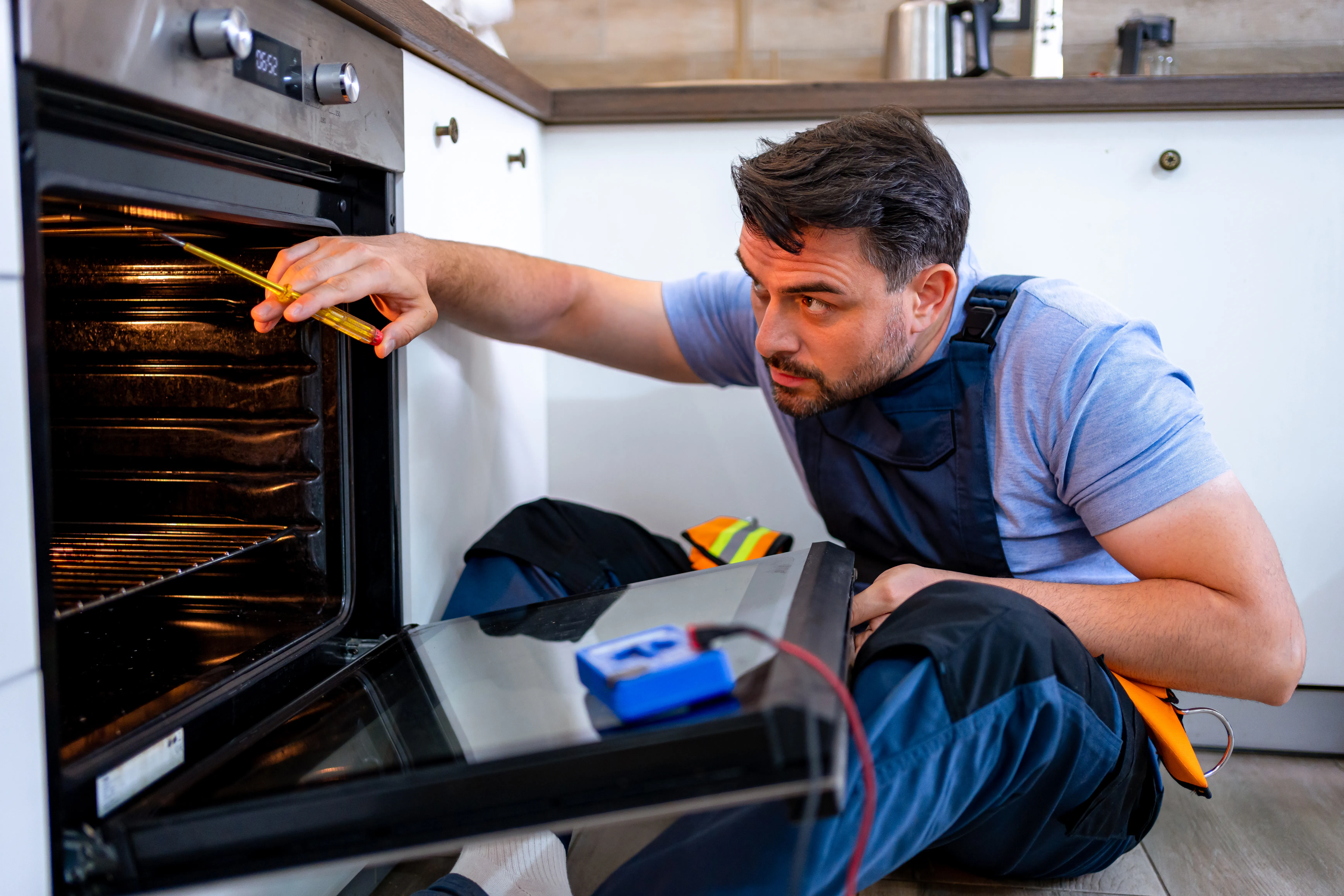
For gas-oven and stove safety, the appliance is assessed at your location. The technician explains the fault and proposed work, then provides a firm quote after inspection.
All service visits include upfront pricing, itemized explanations, and an official written warranty covering replacement components and repair workmanship.
Our technical service teams cover Al Riyadh, Al Marwah, Ash Safa, Al Rawdah, Al Salamah, Al Hamra, Al Naeem, Al Shatie, Obhur, and Al Basateen.
Household Safety Practices for Jeddah Residents:
Ensure kitchen spaces have adequate ventilation, check flexible hose connections with soapy water during gas cylinder changes, and arrange professional maintenance whenever burner responsiveness or flame color appears irregular.