Commercial Maintenance

Restaurant Owner’s Guide to Commercial Kitchen Equipment Maintenance in Jeddah

On-site appliance inspection in Jeddah, with a firm quote after assessment. Genuine parts, a written warranty and RMAN support 24/7.

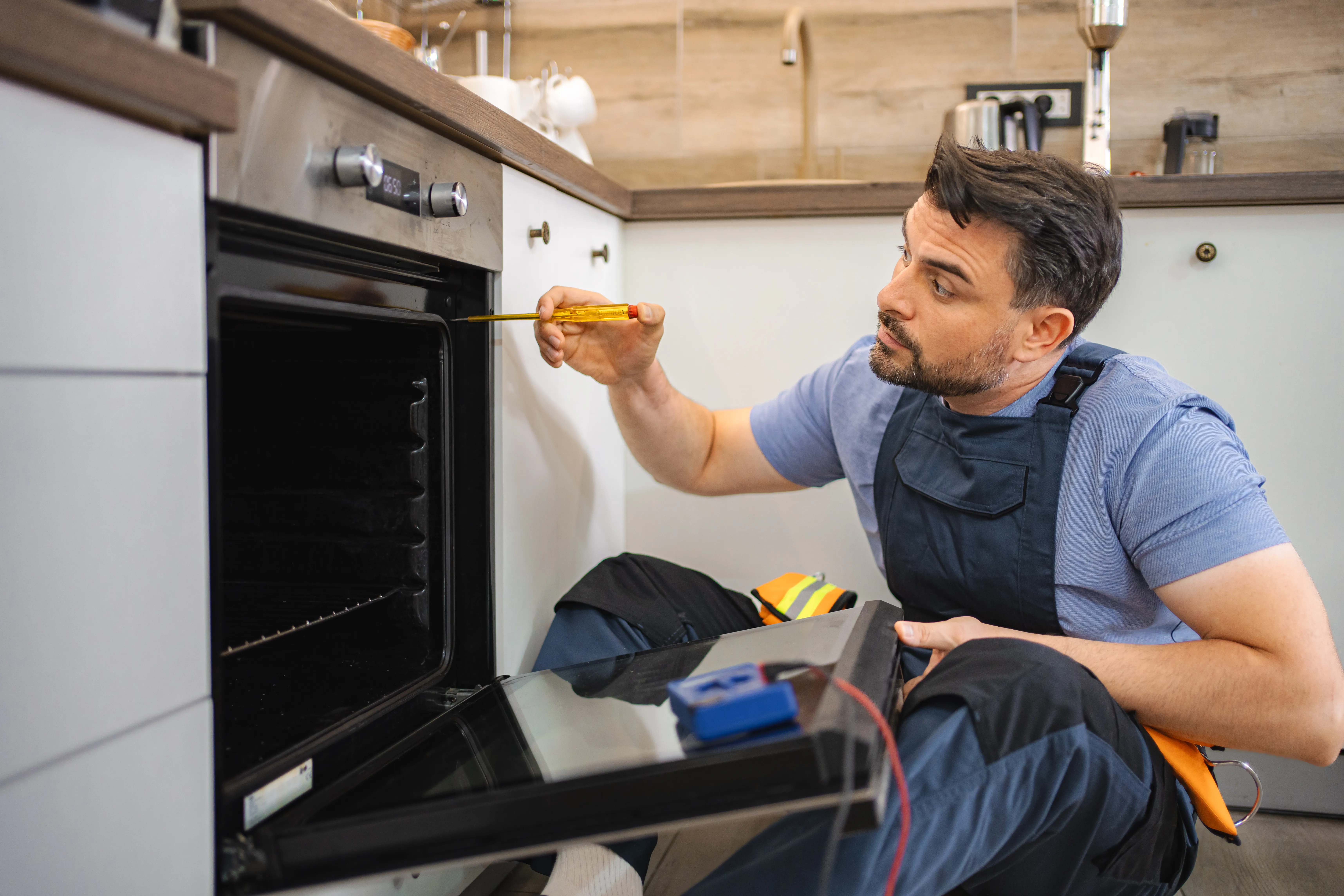
Technician testing a built-in oven with a meter
Restaurant Owner’s Guide to Commercial Kitchen Equipment Maintenance in Jeddah — RMAN Services, Jeddah
Commercial MaintenanceEng. Sajid Ramzan Technical Team2026-10-06
Key takeaways

Describe symptoms noticed during normal use of the affected appliance or installation, without running it again to reproduce a potentially hazardous fault. Your observations help explain the problem when booking an inspection. If you know about an earlier repair to the affected appliance or installation, explain what was done and whether symptoms changed afterward. Do not assume the current fault has the same cause before inspection. Essential operational protocols include cleaning grease and dust from refrigeration condenser coils monthly, inspecting gas burners and thermocouple safety shut-offs for stable combustion, descaling commercial dishwasher booster heaters and spray nozzles regularly, and establishing scheduled inspection routines with qualified commercial technicians. RMAN provides transparent on-site diagnostics, 24/7 emergency dispatch, genuine parts, and an official written warranty across all Jeddah districts.

1. For commercial kitchen maintenance, the appliance is assessed at your location. The technician explains the fault and proposed work, then provides a firm quote after inspection.

In Jeddah’s commercial foodservice industry, refrigeration represents the primary frontline defense against food spoilage and inventory loss.

Describe symptoms noticed during normal use of the appliance, without running it again to reproduce a potentially hazardous fault.

Condenser Coil Maintenance: Commercial kitchen airborne cooking grease and flour dust inevitably coat air-cooled condenser coils. If not cleaned monthly with non-corrosive coil degreasers, condensing temperatures skyrocket, causing thermal overload lockouts and compressor motor burnout.
If you know about an earlier repair to the appliance, explain what was done and whether symptoms changed afterward.

Schedule monthly gasket inspections using paper-slip tests, ensure automatic defrost heaters and drain line heaters operate correctly, and install temperature loggers to verify consistent holding temperatures.

2. Heavy-Duty Cooking Equipment: Gas Ranges, Convection Ovens, and Stove Safety

Commercial gas and electric cooking equipment endures intense multi-hour thermal loading throughout daily operations.

Gas Burner and Injector Maintenance: Splattered cooking oils, sauces, and carbon deposits clog brass gas nozzles and primary burner ports, producing erratic yellow, flickering flames that waste gas and deposit black soot across cookware. For commercial kitchen maintenance, the appliance is assessed at your location. The technician explains the fault and proposed work, then provides a firm quote after inspection.
Thermocouple and Flame Safety Devices: Reliable commercial gas ranges feature thermoelectric flame failure devices that shut off raw gas supply if a burner blows out. Gather information about the appliance from available documents, leaving covers and connections in place. Do not dismantle a part to obtain additional details before the visit.
Electric Convection Ovens: Electric convection ovens require periodic inspection of tubular heating elements, high-temperature door silicone seals, and blower fan bearings to maintain even baking heat across multi-shelf commercial baking racks.

3. Commercial Dishwashers: Spray Arm Inspection and Scale Management

Commercial pass-through hood and under-counter dishwashers must complete high-temperature wash cycles in 60 to 120 seconds to keep pace with busy restaurant services.

Follow the appliance’s operating and care instructions, and do not alter connections or open internal parts to demonstrate a fault. Describe your observations when arranging inspection. Hard water in commercial kitchens coats these heating elements in thick calcium crusts, drastically prolonging heating recovery and tripping internal thermal limiters. Systematic chemical deliming is mandatory.
Wash and Rinse Spray Arm Cleansing: Food debris, lemon seeds, and toothpicks frequently lodge inside rotating wash and rinse nozzles, creating spray blind spots that leave greasy film on glassware and tableware.
Wash Tank Filtration: Gather information about the affected appliance or installation from available documents, leaving covers and connections in place.

4. The Hidden Financial Cost of Unplanned Peak-Hour Kitchen Equipment Breakdowns

When a primary line freezer or main cooking range breaks down at 8:00 PM on a weekend in Jeddah, direct repair costs represent only a tiny fraction of the total business loss.

Spoiled Food Inventory: Unrefrigerated meats, prepared sauces, and dairy reach dangerous food temperatures within hours, forcing total disposal.
Lost Customer Revenue and Reputation: Inability to execute core menu items leads to cancelled customer orders, extended table wait times, negative online reviews, and long-term customer attrition.
Overtime Labor Inefficiencies: Kitchen staff idle while waiting for equipment, or chefs scramble through improvised manual workarounds that slow order dispatch.

Establishing a formal relationship with a responsive commercial technical service provider that offers 24/7 emergency dispatch ensures kitchen uptime and shields restaurant revenue from catastrophic service disruptions.

5. Commercial Kitchen Maintenance Solutions by RMAN in Jeddah

RMAN delivers diagnostics, preventative maintenance contracts, and on-demand emergency repairs for commercial kitchens and dining establishments across all Jeddah districts.

Describe what appeared on the display as you saw it, without treating it as a confirmed diagnosis. Also explain what the appliance was doing when the problem appeared.

All service visits include transparent upfront estimates and an official written warranty covering parts and labor.

Also explain what the affected appliance or installation was doing when the problem appeared.

Operational Safety and Preventive Protocols for Commercial Kitchens in Jeddah:

During inspection, ask about the fault found in the affected appliance or installation and the work proposed to address it. Request a clearer explanation before agreeing if anything remains unclear. During inspection, ask about the fault found in the appliance and the work proposed to address it.

When arranging an inspection about commercial kitchen maintenance, bring together observations from ordinary use: what changed, where the problem appeared, and whether it remained or disappeared and returned. If others use the appliance, collect their descriptions without asking anyone to run it again to demonstrate the fault. Separate direct observations from assumptions and leave the cause and repair decision to the inspection findings.

Gather the available appliance documents and any known history of repair relevant to commercial kitchen maintenance. Explain whether symptoms changed after that work, without assuming that a similar appearance means the old fault has returned. Tell the technician when details are unknown rather than filling gaps with guesses. Do not remove a cover or approach an exposed connection to obtain more information before the visit.

Related Frequently Asked Questions

Practical answers about this topic.

Refrigeration condensers in commercial kitchens must be degreased and cleaned once every month to prevent airborne cooking oil from blocking heat transfer.

Specialized Repairs in Jeddah

Need the problem inspected?

Explore related services and describe the symptoms when booking:

Need Technical Advice or Booking?

Contact Eng. Sajid Ramzan’s team directly for on-site diagnostic inspection in Jeddah.