
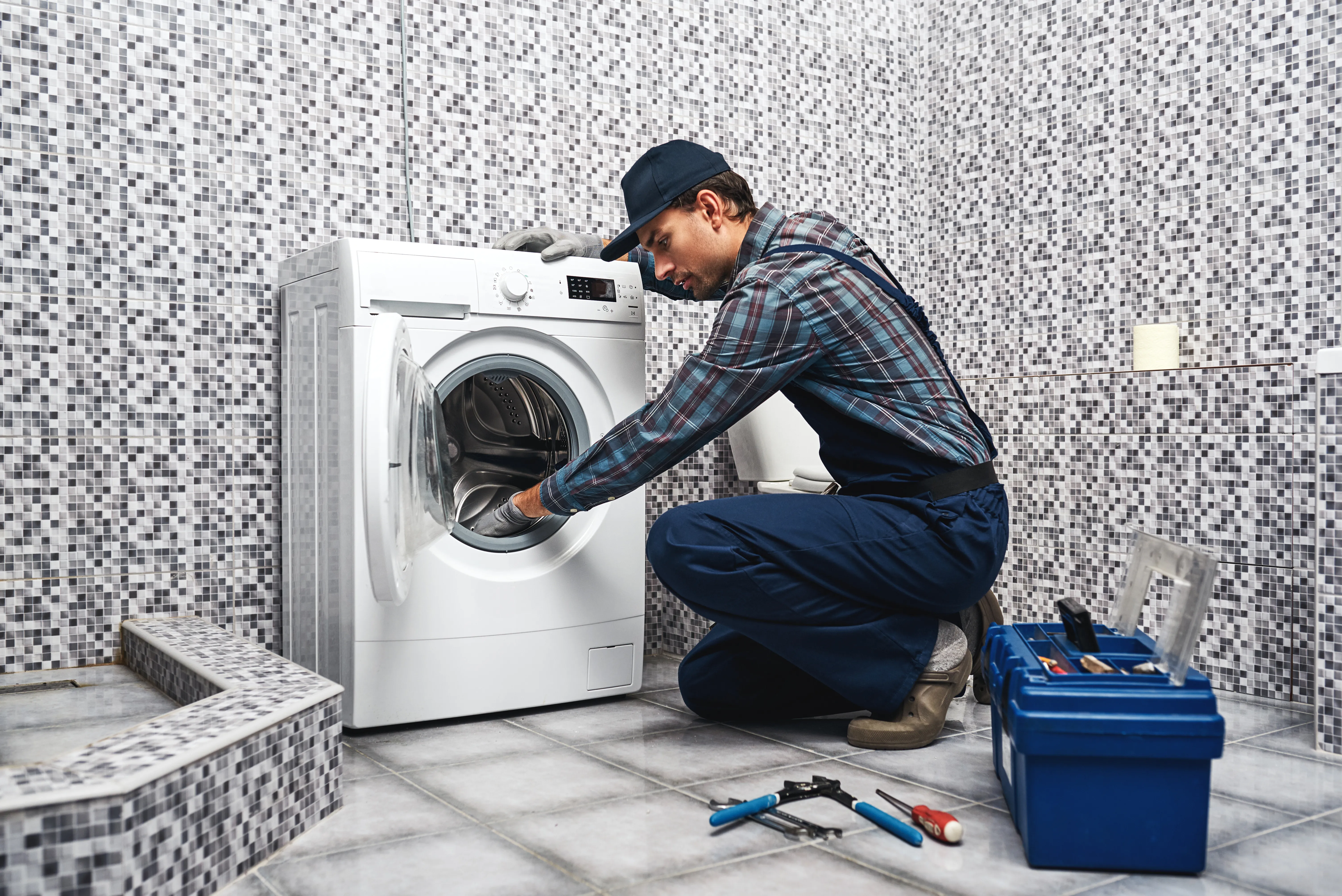
The Mechanics of Washing Machine Drainage Cycles and Common Failures
A automatic washing machine relies on a synchronized sequence of electro-mechanical components to cycle water through the wash, rinse, and spin phases.
Describe symptoms noticed during normal use of the washing machine, without running it again to reproduce a potentially hazardous fault. Your observations help explain the problem when booking an inspection. If you know about an earlier repair to the washing machine, explain what was done and whether symptoms changed afterward. Do not assume the current fault has the same cause before inspection.
If water remains trapped in the drum after the wash phase, the safety pressure sensor prevents the machine from entering the high-speed spin cycle. This safety mechanism protects the suspension springs, balance dampers, and motor from severe off-balance vibration forces caused by heavy, waterlogged clothing.
Top 5 Causes of Drainage Stoppage in Residential Washing Machines
Safe Troubleshooting Checklist for Homeowners vs. Qualified Technical Scope
Before requesting service, homeowners can perform straightforward, safe diagnostic checks to clear minor blockages.
Always unplug the washing machine from the wall outlet and turn off water supply taps. Place a shallow tray and heavy towels under the bottom-front access flap. Carefully pull the small rubber emergency drain tube to release trapped water into a container. Once empty, unscrew the debris filter counterclockwise, wash away collected hair and lint under running water, and inspect the cavity with a flashlight to ensure the impellor turns freely when gently nudged.
If the machine still hums loudly without draining, displays a drainage error message or fault indicator on the display, or fails to power the pump despite a completely clean filter, internal components must be tested. Gather information about the washing machine from available documents, leaving covers and connections in place. Do not dismantle a part to obtain additional details before the visit.
Before contacting the technician, describe the stage at which the washer stopped and whether water remained in the drum. Mention any sound that preceded the stop without restarting it to confirm the sound. Keep a description of the wash program in use, and mention previous repairs or changes around the appliance. Do not force the door open or pull a hose to drain water before obtaining appropriate guidance. Prepare a dry access route and leave covers and connections in place.
Preventative Usage Habits and Professional Repair Services by RMAN
Preserving your washing machine’s drainage system requires basic laundry discipline.
Always empty garment pockets before washing, place delicates and socks into mesh laundry bags, use the manufacturer-recommended quantity of low-sudsing (HE) detergent to prevent soap scum buildup, and perform a monthly hot wash cycle with descaling solution to dissolve mineral and soap residues.
For washing-machine drainage, the appliance is assessed at your location. The technician explains the fault and proposed work, then provides a firm quote after inspection. We carry genuine replacement pumps, door latches, and pressure sensors on every service van. Bookings made before noon are typically served on the same day, backed by a written warranty on all replacement parts.
Keep observations about washing-machine drainage available to the person receiving the technician if visit arrangements change. Record what you saw and what you did after the issue appeared, including known observations from other appliance users. Do not ask anyone to reproduce the fault or touch a connection to complete the record. Mark uncertain details clearly so they are distinguished from direct observations, then discuss the findings and firm quote before deciding about repair.
After the inspection findings for washing-machine drainage are explained, keep the description of the agreed work and discussed parts rather than only the fault name. Refer to the written warranty when clarification about the repair is needed. If a different symptom appears, describe it to support instead of assuming that the earlier fault has returned; further work should follow assessment of that condition.