
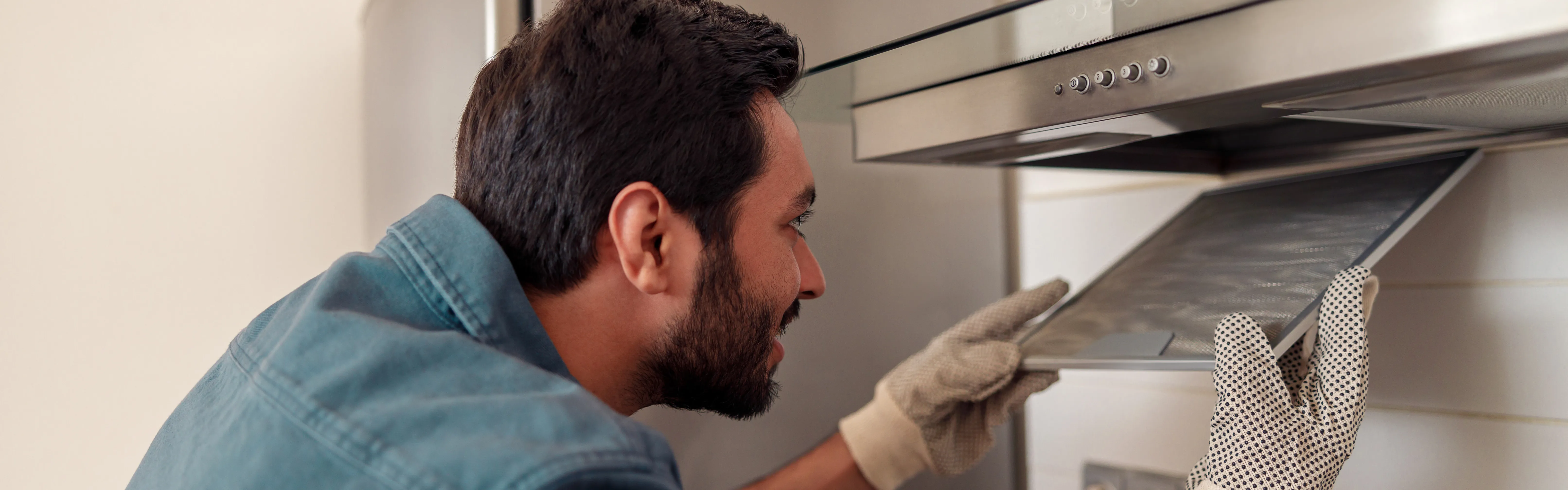
Why Jeddah’s Coastal Climate Accelerates Mold and Bacterial Growth in ACs
Describe symptoms noticed during normal use of the appliance, without running it again to reproduce a potentially hazardous fault. In residential environments, air conditioners run almost continuously, keeping internal cooling surfaces perpetually moist.
When moist cooling coils capture fine indoor airborne particles—such as skin flakes, fabric fibers, and kitchen aerosols—they form an organic nutrient broth on the evaporator surface. If you know about an earlier repair to the appliance, explain what was done and whether symptoms changed afterward. Do not assume the current fault has the same cause before inspection.
As the blower fan spins, it blows millions of microscopic fungal spores and volatile organic compounds into the room, resulting in the distinct "dirty gym sock" or sour vinegar smell often noticed upon powering on the unit.
Health Risks and Architectural Impacts of Neglected Indoor Mold Buildup
Inhaling airborne fungal spores and bacterial endotoxins recirculated by unserviced air conditioning systems poses significant respiratory risks, particularly for children, elderly individuals, and asthma sufferers.
Common symptoms of exposure to mold-contaminated AC systems include persistent morning coughing, itchy or watering eyes, nasal congestion, allergic rhinitis flare-ups, and unexplained fatigue. Beyond personal health, microscopic mold spores land on gypsum walls, curtains, carpets, and upholstered furniture, creating visible dark staining, structural wood degradation, and persistent musty room odors that conventional room fresheners cannot mask.
If you know about an earlier repair to the affected appliance or installation, explain what was done and whether symptoms changed afterward.
Practical Steps for Homeowners: Daily Habits vs. What Requires Technical Intervention
Homeowners can adopt effective preventive routines to mitigate moisture accumulation and slow down fungal spore spread.
Follow the appliance’s operating and care instructions, and do not alter connections or open internal parts to demonstrate a fault. Describe your observations when arranging inspection. Gather information about the appliance from available documents, leaving covers and connections in place. Do not dismantle a part to obtain additional details before the visit. Third, ensure bathroom exhaust fans vent moisture outdoors rather than into false ceilings.
When discussing humidity and appliance odors, explain observations from ordinary use and any known earlier repair. The technician explains the fault after inspection and provides a firm quote before work is agreed.
When describing an odor to the technician, say whether you notice it when the AC starts or in the room while it is off, and whether there is a visible patch on the surrounding surface. Record observations from your usual position without opening the cover or spraying anything into air vents. Tell the technician what was previously used for cleaning, if known, and move belongings away from the safe access area before the visit. Avoid masking the odor with fragrance so the problem can be described clearly.
AC Inspection and Cleaning Discussion with RMAN in Jeddah
RMAN delivers complete microbial remediation for wall-mounted split units, duct systems, and central chillers throughout Jeddah.
Gather information about the affected appliance or installation from available documents, leaving covers and connections in place. Describe what appeared on the display as you saw it, without treating it as a confirmed diagnosis. Also explain what the affected appliance or installation was doing when the problem appeared. During inspection, ask about the fault found in the affected appliance or installation and the work proposed to address it. Request a clearer explanation before agreeing if anything remains unclear.
Describe the condition of the appliance and changes noticed during ordinary use, without opening internal parts or attempting a repair. Discuss the findings, proposed work and firm quote after inspection before agreeing.
When arranging an inspection about humidity and appliance odors, bring together observations from ordinary use: what changed, where the problem appeared, and whether it remained or disappeared and returned. If others use the appliance, collect their descriptions without asking anyone to run it again to demonstrate the fault. Separate direct observations from assumptions and leave the cause and repair decision to the inspection findings.
Gather the available appliance documents and any known history of repair relevant to humidity and appliance odors. Explain whether symptoms changed after that work, without assuming that a similar appearance means the old fault has returned. Tell the technician when details are unknown rather than filling gaps with guesses. Do not remove a cover or approach an exposed connection to obtain more information before the visit.