The Energy Equation: Why Dirty Appliances Consume Substantially More Power
Every cooling and refrigeration appliance operates on the principles of thermal heat transfer. An air conditioner does not create coolness; it absorbs thermal energy from indoor air and rejects it outdoors through the condenser.
When aluminum cooling fins become coated with a dense layer of dust, salt mist, and airborne grease, heat transfer resistance increases significantly. The system must run longer and harder to remove the same quantity of thermal heat from the living space.
Because the compressor accounts for the overwhelming majority of an AC unit’s electrical draw, extending its daily runtime directly translates into higher kilowatt-hour consumption on your monthly utility meter.
Top 4 Household Appliance Issues That Silently Waste Electrical Energy
Homeowner Energy-Saving Practices vs. Professional Technical Tuning
Follow the appliance’s operating and care instructions, and do not alter connections or open internal parts to demonstrate a fault. Describe your observations when arranging inspection. If you know about an earlier repair to the affected appliance or installation, explain what was done and whether symptoms changed afterward. Do not assume the current fault has the same cause before inspection. Gather information about the affected appliance or installation from available documents, leaving covers and connections in place. Do not dismantle a part to obtain additional details before the visit.
Describe what appeared on the display as you saw it, without treating it as a confirmed diagnosis. Also explain what the affected appliance or installation was doing when the problem appeared.
When requesting an inspection because household consumption has changed, prepare a description of changed usage habits and appliances showing weak performance or unusual noise. Keep available bills for review, but do not treat differences as sufficient evidence of a particular fault or open an electrical panel to investigate. Describe what you observed on the appliance, such as continued operation or difficulty closing a door, and leave identification of the cause to the technician. Separating observation from guesswork supports a clear discussion without changing appliance settings or trying alternative connections before inspection.
Restoring Peak Appliance Efficiency: Professional Maintenance by RMAN
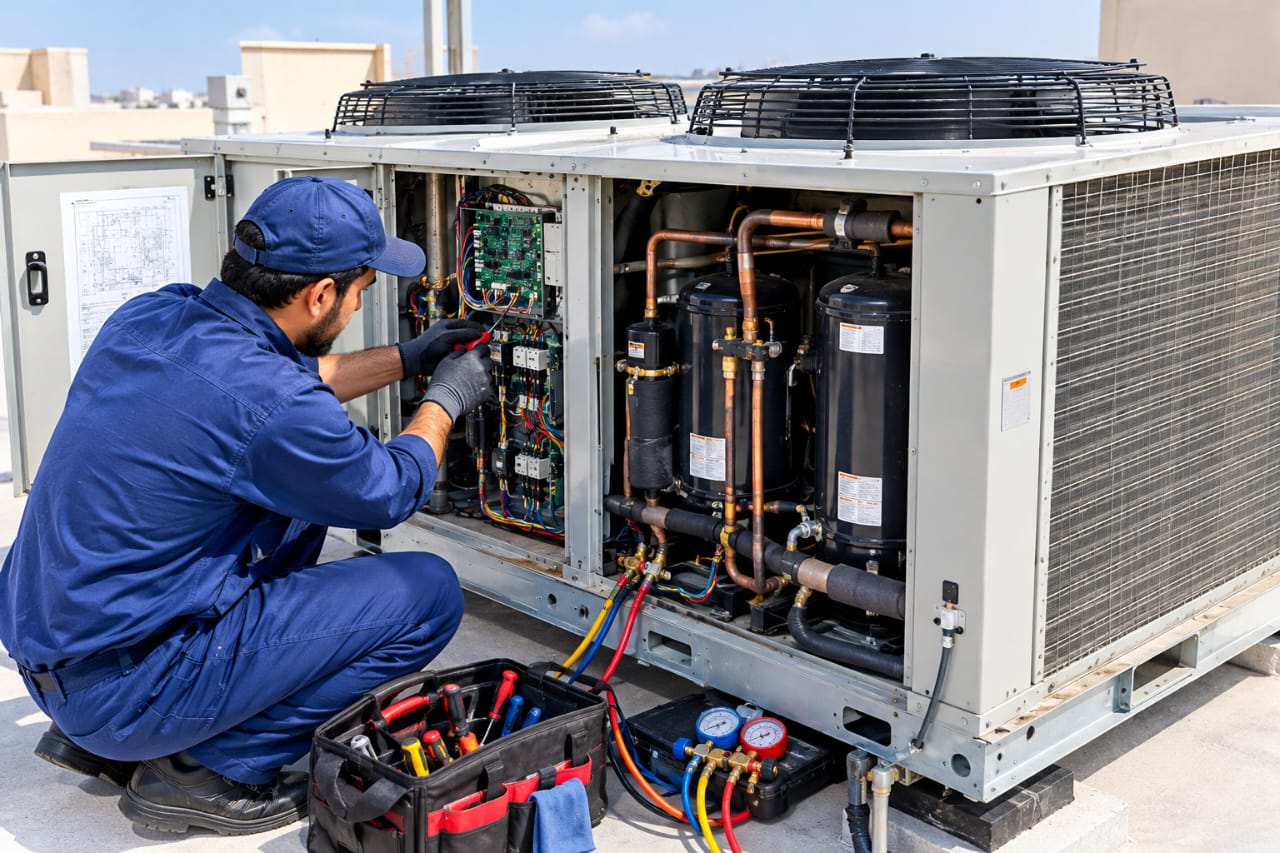
At RMAN, our technicians evaluate both the cooling performance and electrical consumption characteristics of your residential and commercial appliances.
Restoring balanced operating conditions relieves compressor stress and prevents expensive equipment failures.
During inspection, ask about the fault found in the affected appliance or installation and the work proposed to address it. Request a clearer explanation before agreeing if anything remains unclear. Service appointments booked before noon are serviced on the same day across all Jeddah districts.
Keep observations about appliance use and electricity bills available to the person receiving the technician if visit arrangements change. Record what you saw and what you did after the issue appeared, including known observations from other appliance users. Do not ask anyone to reproduce the fault or touch a connection to complete the record. Mark uncertain details clearly so they are distinguished from direct observations, then discuss the findings and firm quote before deciding about repair.